Mobile phones have become our wallet, map, camera, workplace and emergency lifeline. Choosing a plan and a provider is worth a little care, and so is making sure your phone works when it matters. The guides in this section cover the essentials, based on official guidance from the ACMA and other authorities.
The guides in this section
- How to choose a mobile plan: prepaid or postpaid, data, phone repayments, roaming and the questions to ask.
- Mobile coverage: how to check it: reading coverage information, indoor versus outdoor and regional travel.
- Keeping your number when you switch: how porting works, identity checks and what can go wrong.
- The 3G switch-off: which phones and devices are affected and how to check.
Coverage comes first
A cheap plan is no use where it doesn't work. Many providers sell plans on a small number of networks, and coverage differs between networks and sometimes between providers on the same network. The ACMA says telcos should publish their mobile network coverage. Check it for home, work, your commute and the places you travel, and remember that coverage inside buildings is often weaker than maps suggest.
Plans in brief
Prepaid plans give you a set allowance for a set period, with no ongoing commitment. Postpaid plans bill you monthly; many are month to month, while others are tied to a phone on repayments. A phone on repayments spreads the cost but can make leaving more expensive. Every plan should come with a Critical Information Summary that sets out costs, inclusions and exit terms in a standard form.
Switching is easier than you think
The ACMA says your current telco must transfer your number to a new telco when asked, even if you owe it money. Mobile ports are usually completed within hours. The key rule: keep your old service active until the port is complete, because only active numbers can be ported. Your new provider will also do an extra identity check to protect you from fraud.
Make sure your phone can call 000
Australia's 3G networks have been switched off. Some older phones, including some 4G phones that relied on 3G for calls, can't make calls, including to Triple Zero. Text 3 to 3498 to check your phone. Check other devices with SIMs too, such as medical alarms and security systems.
Scams on your phone
Your phone is a target for scam calls and texts. Since 1 July 2026, texts using business names that aren't registered with the ACMA's SMS Sender ID Register are labelled "Unverified". Our guide to phone and text scams explains how to spot and stop them.
When things go wrong
If your provider doesn't fix a problem with coverage, billing or your service, you can contact the Telecommunications Industry Ombudsman, which is free and independent. See complaints and the TIO.
Choosing a phone
The phone matters as much as the plan. Make sure it works on your provider's network, supports 4G voice calling (VoLTE) and can make emergency calls in Australia. If you buy a phone on repayments, remember that leaving the plan early usually means paying the remaining balance. If you buy outright, a SIM-only plan keeps your options open, and you can switch providers more freely.
Mobile phones for children
If you're setting up a phone for a child, look for spend controls and the ability to bar premium services. The ACMA says telcos should provide tools to help you manage your spending. Talk with your child about scams and about never sharing codes or personal details.
Terms you'll see
- Prepaid: you pay before you use the service.
- Postpaid: you're billed after each month.
- Porting: moving your number to a new provider.
- VoLTE: voice calling over 4G, needed now that 3G is gone.
- eSIM: a SIM built into the phone instead of a card.
- Roaming: using your phone on an overseas network.
If you have a question we haven't answered, our contact page is always open, and we use reader questions to improve our guides.
Five habits that save money and hassle
- Check before you sign: coverage or connection type, typical evening speed, minimum cost and exit costs.
- Read and keep the Critical Information Summary for every plan you choose.
- Never cancel a service you want to keep the number for until the port is complete.
- Test, record and raise problems early, with evidence such as a wired speed log.
- Treat unexpected calls and texts with suspicion, and check by contacting the organisation yourself.
About these guides
Telecom Times is independent. We aren't a telco, a comparison service, a regulator or an ombudsman, and no provider pays to appear in our guides. We don't publish plan prices or rank providers. We write every guide in our own words and list the official sources we used, such as the ACMA, the ACCC, the Telecommunications Industry Ombudsman, Scamwatch and nbn co. Rules and plans change, so check current details with your provider and the relevant agency.
Where to go next
Our internet section covers NBN connection types, speeds and choosing a home internet plan. Our rights section explains your options when things go wrong.
Guides in this section
Mobile
How to choose a mobile plan
How to choose a mobile plan: prepaid or postpaid, working out your data, checking coverage, phone repayments, roaming and the questions to ask.
Read · 6 min
Mobile
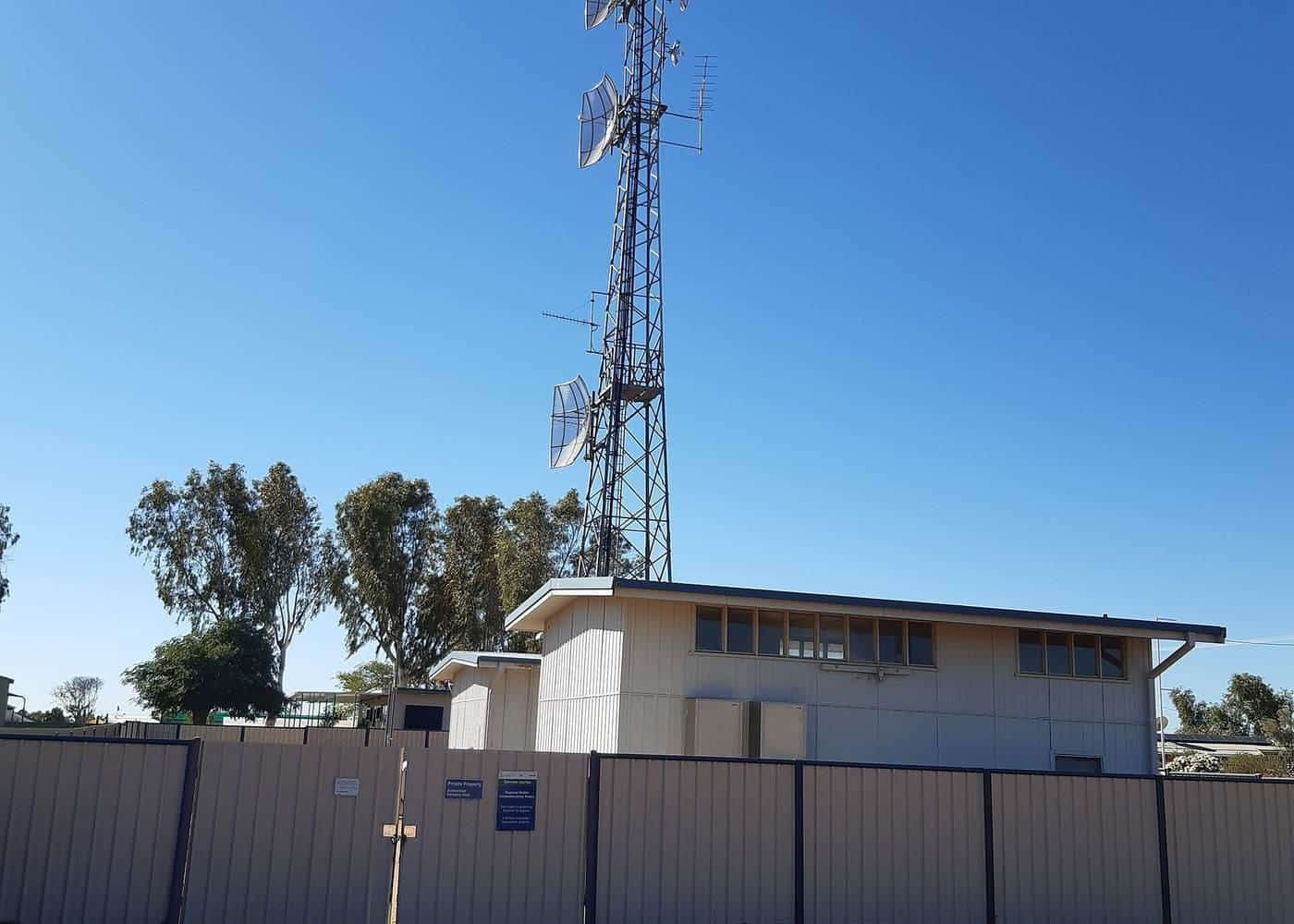
Mobile coverage: how to check it
How to check mobile coverage before you choose a provider: reading coverage maps, indoor versus outdoor coverage, regional travel and your phone.
Read · 6 min
Mobile
Keeping your number when you switch
How number porting works in Australia: which numbers you can keep, identity checks, how long it takes, what can go wrong and how to protect yourself.
Read · 6 min
Mobile
The 3G switch-off: what it means for you
What Australia’s 3G switch-off means: which devices are affected, how to check your phone, Triple Zero access, and devices beyond phones.
Read · 5 min
Frequently asked questions
Should I choose prepaid or postpaid?
It depends on how you like to pay and whether you want a phone on repayments. Prepaid gives spending control; postpaid gives a monthly bill.
How do I check coverage?
Use the coverage information on each provider’s website for every place you use your phone, and remember maps generally predict outdoor coverage.
Can I keep my number if I switch?
Usually, yes. Your current telco must port your number if asked. Keep the old service active until the port is done.
Will my phone still work after the 3G switch-off?
Most modern phones are fine. Text 3 to 3498 to check. Never test by calling 000.
Sources and further reading
Facts on this page were checked against these primary and official sources. Conditions change — confirm before you travel or buy.