This is a guest post by Worldwide Backlinks, a link building agency. It is written for Australian telcos, NBN and internet providers, mobile resellers, phone retailers and repairers, and the businesses that serve them. Our consumer guides stay independent and are not affected by it.
Shopping for a phone or internet plan in Australia means comparing a lot of providers that look similar on paper. When someone searches for "best NBN plan for working from home" or "prepaid SIM with good regional coverage", the results they see are shaped partly by which websites the rest of the web trusts and cites.
For a telco, that makes links one of the quieter but more important parts of being found. This guide covers what kinds of links help, how to earn them, and the traps to avoid in a regulated, high-trust category.
Why links matter in telecommunications
Search engines use links to discover pages and to understand which ones other people find useful. A link from a respected tech publication, a consumer guide or a relevant local site works like a reference: it tells readers and search engines that your page is worth a look.
Telecommunications is a category where trust carries extra weight. People are signing contracts, porting numbers and relying on the service for work, study and emergencies. Sites that cover the topic responsibly tend to be selective about who they link to, which is exactly why a link from them counts.
Links that fit a telco
Tech and consumer publications. Reviews, plan explainers and news coverage on established tech sites are the most valuable placements, and the hardest to earn. They usually come from having something new or useful to say.
Consumer guides and explainers. Independent guides about mobile and internet, like this one, link to resources that help readers make decisions, such as coverage maps, speed test tools and clear plan information.
Local and regional sites. Regional providers and fixed wireless or satellite resellers can earn links from local news, councils' community pages, agricultural groups and regional business directories.
Industry and partner pages. Hardware partners, wholesale networks and industry associations often list members, resellers or partners.
Business and B2B media. If you sell to businesses, such as connectivity, VoIP or managed services, small business and IT publications are a natural fit.

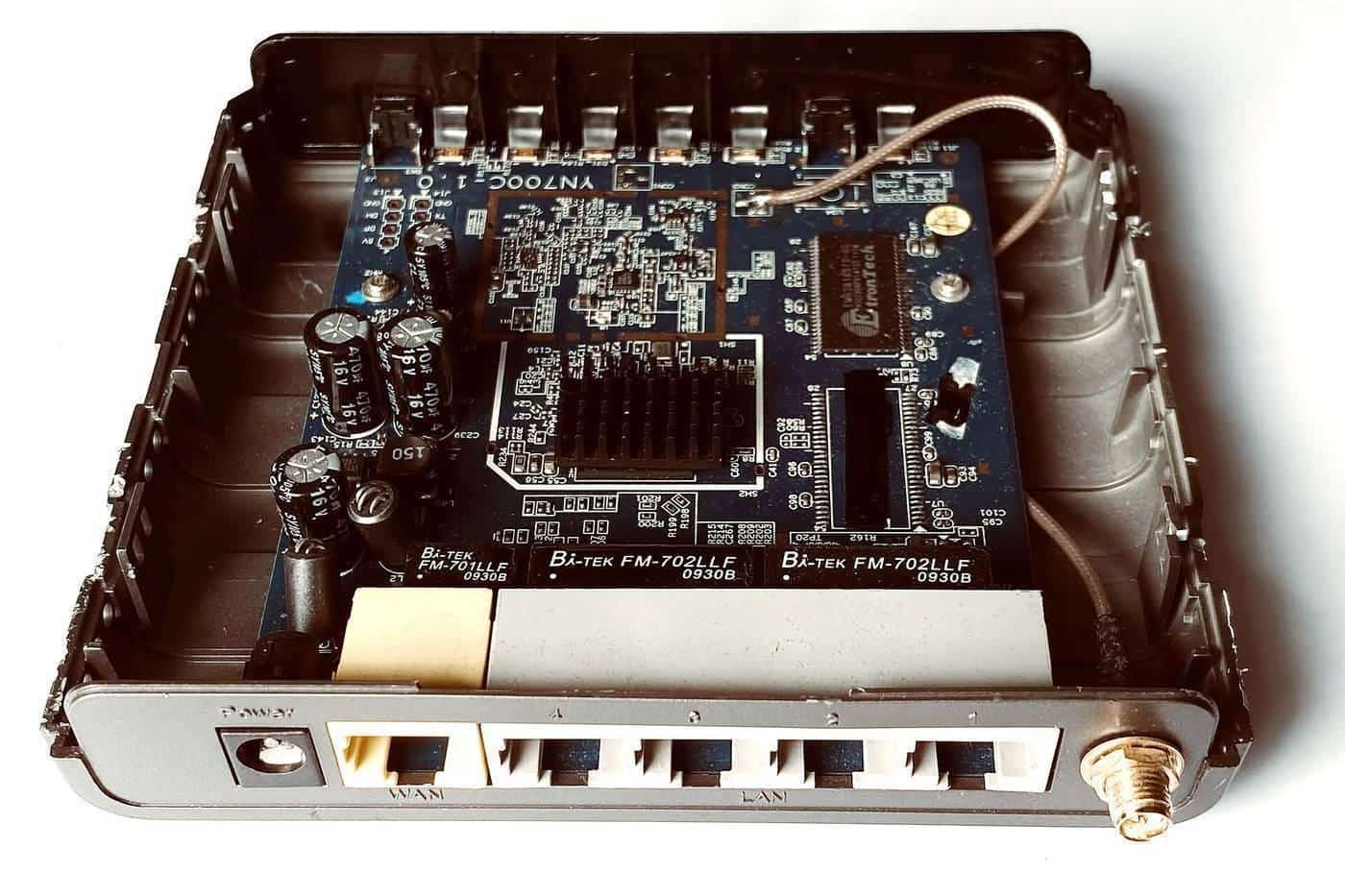
Photo: Wikideas1, CC0, via Wikimedia Commons.
Content that earns links in this industry
The telco pages that attract links are the ones that answer real questions better than anyone else. Some ideas:
- Plain-English explainers. What the different NBN connection types mean, what typical evening speeds are, how 5G home internet differs from fixed line, or what happens when a network switches off an old technology.
- Practical tools. A coverage checker, a data usage calculator, or a simple "which plan suits me" quiz gives other sites a reason to point their readers to you.
- Help for switching. Step-by-step guides on keeping your number, reading a Critical Information Summary, or leaving a contract early.
- Scam awareness. Clear advice on spotting phone and text scams is useful to readers and widely shared.
- Original data. If you publish figures, such as network performance or survey results, explain exactly how they were collected so journalists and bloggers can cite them with confidence.
Google's guidance on creating helpful, reliable, people-first content is a good test for any of these: would someone be glad they found the page, even if they never buy from you?
Stay inside the rules
Telcos in Australia work under the Telecommunications Consumer Protections Code, registered by the ACMA, as well as the Australian Consumer Law. Content written to earn links should meet the same standard as your advertising:
- Don't make speed, price or coverage claims you can't back up.
- Be clear about conditions, contract terms and costs.
- Label sponsored content and partnerships as sponsored.
On the search side, Google's spam policies treat buying or selling links to manipulate rankings as link spam. If you pay for a placement, it should be disclosed and the link should be qualified as sponsored.
What to avoid
- Link networks and private blog networks. Sites built only to sell links rarely have real readers and can put your site at risk.
- Irrelevant placements. A link from a site with no connection to phones, internet, technology or your local area adds little.
- Over-optimised anchor text. Repeating "cheap NBN plans" in every link looks unnatural. Use your brand name and descriptive page titles.
- Thin "best provider" lists you paid to top. Readers and search engines are getting better at spotting them, and they can conflict with consumer law if they are misleading.
Getting help with telco link building
In-house marketing teams can do a lot of this, especially the content side. Where an agency helps is in finding relevant publishers, pitching stories and placing guest posts on real sites with real audiences.
Worldwide Backlinks works with B2B and technology businesses through B2B link building and SaaS link building, and runs a guest post outreach service. Whoever you work with, ask to see example placements, check that the sites are relevant, and be wary of anyone promising guaranteed rankings.
The short version
In a crowded, trust-heavy market, telcos earn their best links by being genuinely useful: clear explainers, practical tools, honest data and a local presence. Keep it compliant, keep it relevant, and avoid shortcuts that put your site and your reputation at risk.
Frequently asked questions
What is link building for a telco?
It is the work of earning links to a phone, internet or telecommunications business's website from other relevant websites, such as tech publications, consumer guides, local business sites and industry resources.
Why do links matter for phone and internet providers?
Links help search engines discover and understand pages, and a link from a trusted, relevant site is a sign that others find your content useful. In a competitive category like mobile and NBN plans, that can make a real difference to visibility.
Can a telco buy links?
Google's spam policies treat buying or selling links to manipulate rankings as link spam. Paid placements should be clearly disclosed and the link marked as sponsored. Most lasting value comes from content that other sites want to cite.
What content do other sites link to in telecommunications?
Clear explainers and tools: how to check coverage, what NBN connection types mean, how to read a Critical Information Summary, how to keep your number when switching, and how to spot phone scams. Original data with a transparent method also attracts links.
Do telecommunications rules affect marketing content?
Yes. Telcos in Australia have obligations under the Telecommunications Consumer Protections Code and the Australian Consumer Law, including clear information about plans and no misleading claims. Content written to earn links should follow the same standards as your ads.
Sources and further reading
Facts on this page were checked against these primary and official sources. Conditions change — confirm before you travel or buy.
- Spam policies for Google web search (link spam) — Google Search Central
- Qualify your outbound links to Google — Google Search Central
- Creating helpful, reliable, people-first content — Google Search Central
- Telecommunications Consumer Protections Code — Australian Communications and Media Authority (ACMA)
- B2B link building — Worldwide Backlinks